
Analyzing the cause of failure
to create the ideal nose shape
SINSANG Revision Rhinoplasty

Revision Rhinoplasty by Type
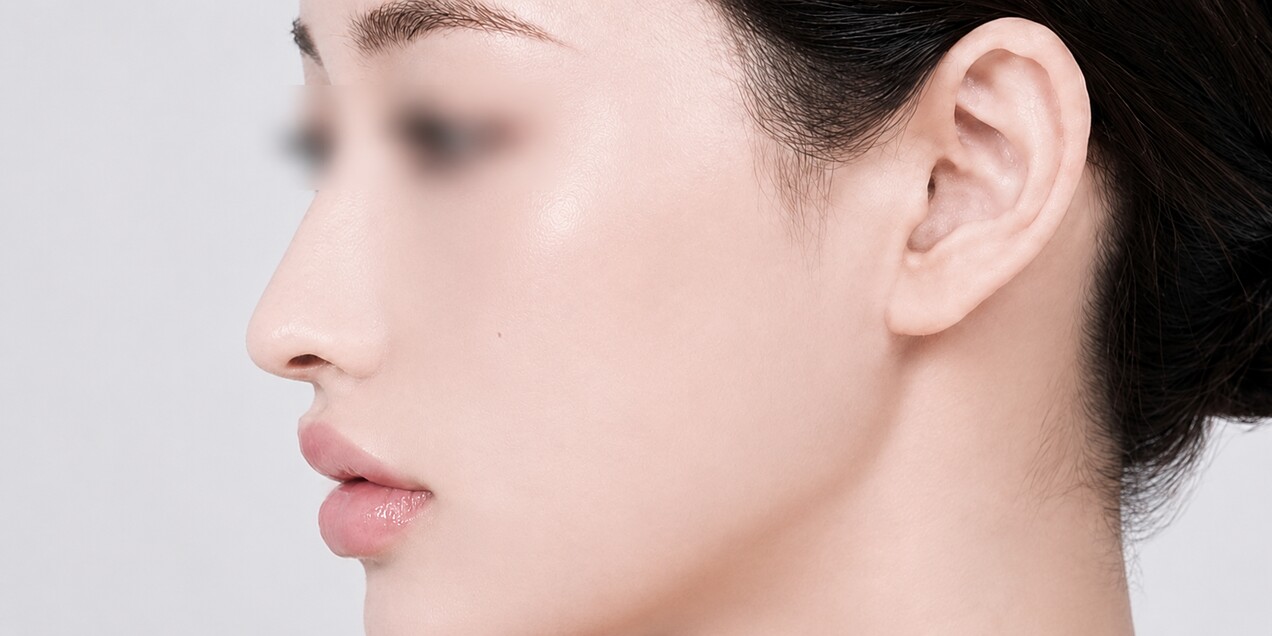
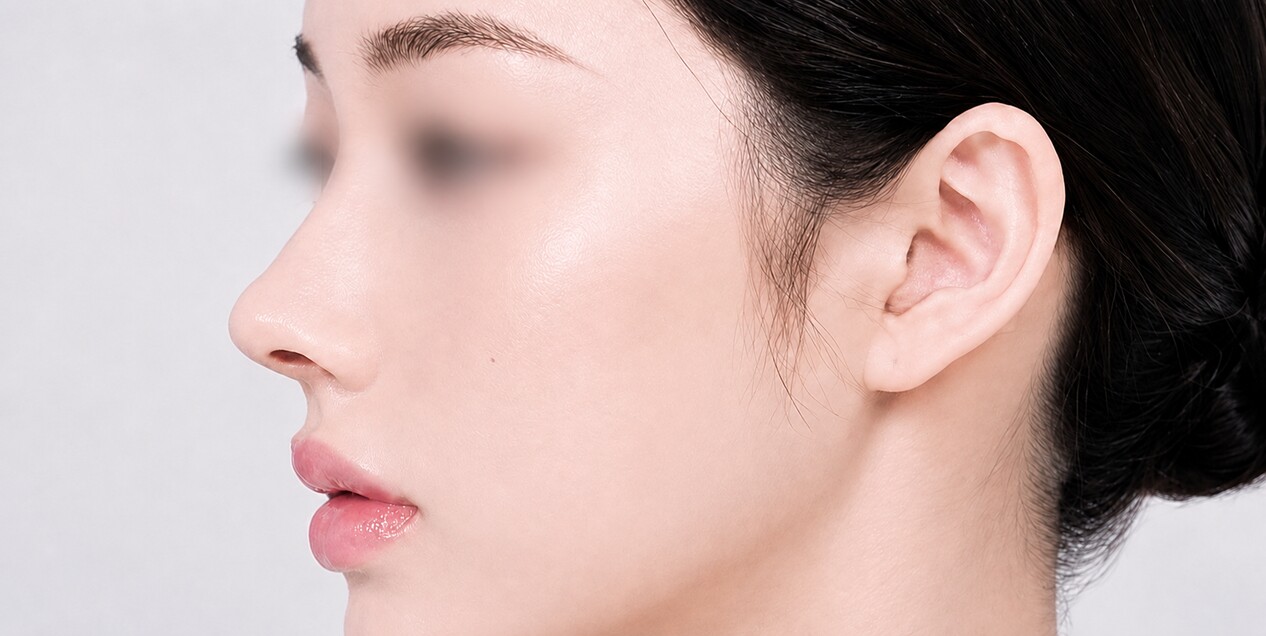

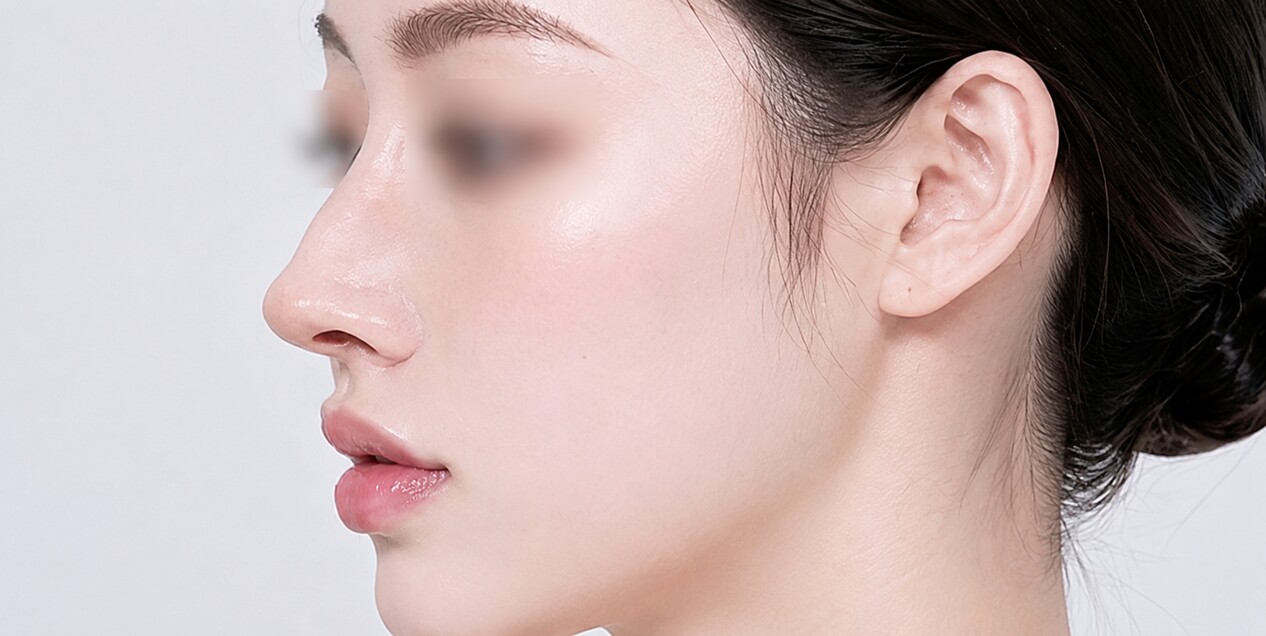

1:1 Customized Nose Design
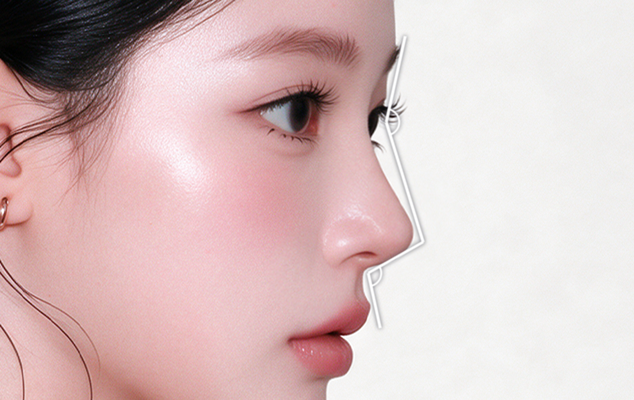
SINSANG revision at 95° – 140°
considering even the angle of the nose
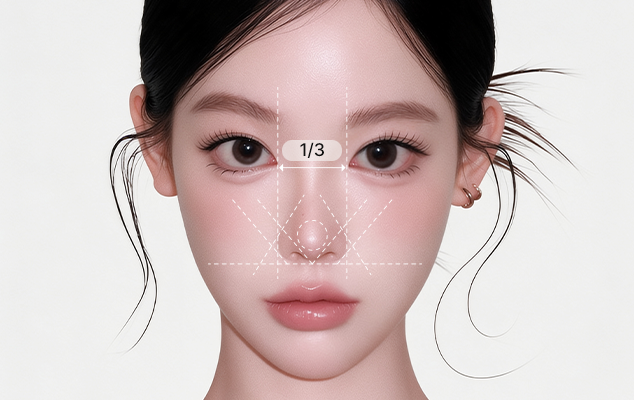
Overall proportions are considered,
including the height, length and angle of the nasal bridge and tip
Structures damaged by previous surgery are carefully restored
with stabilizing correction techniques
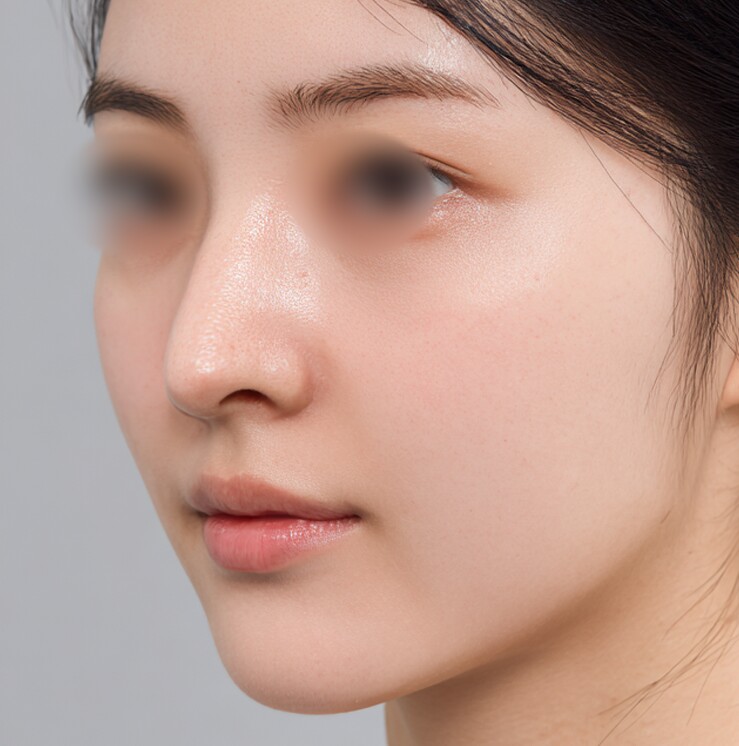
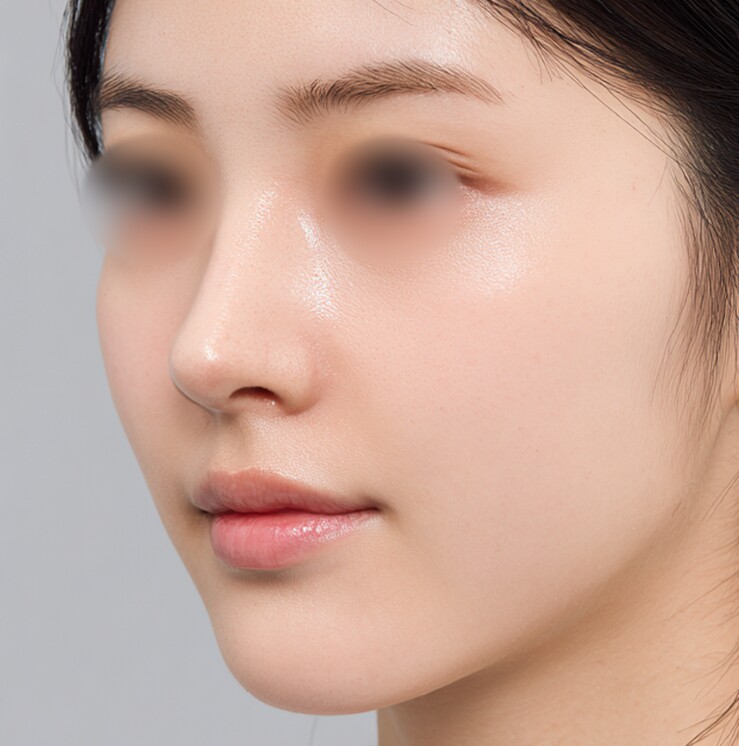
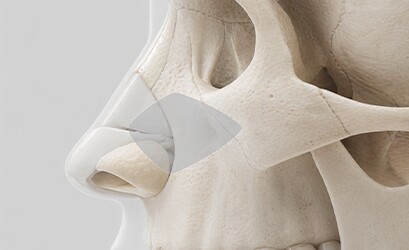
Precise CT analysis provides a structural foundation
that won't collapse over time
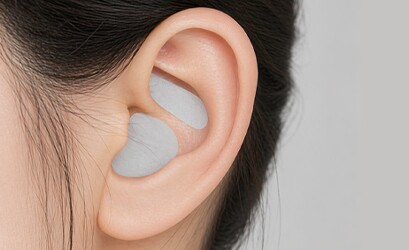
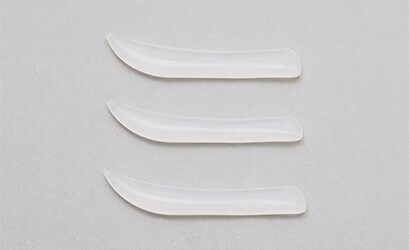
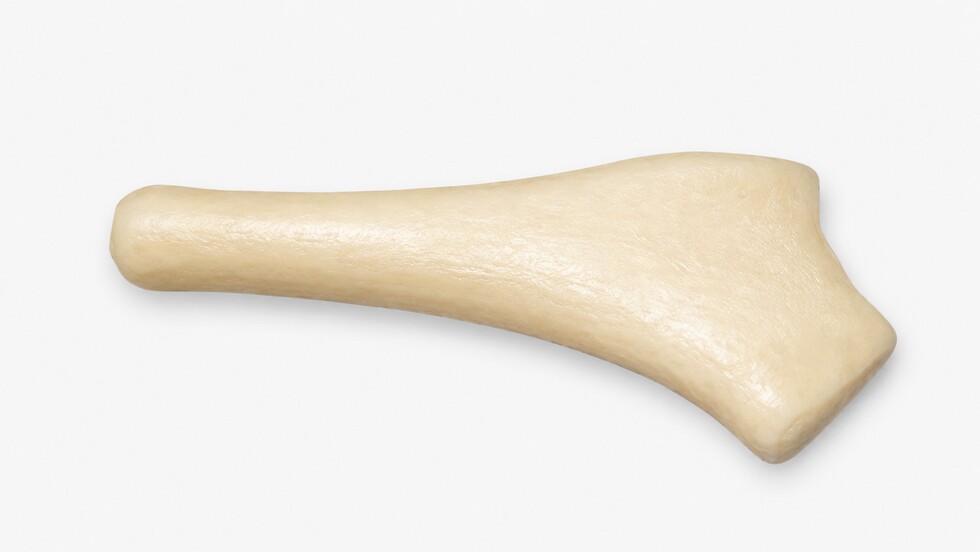
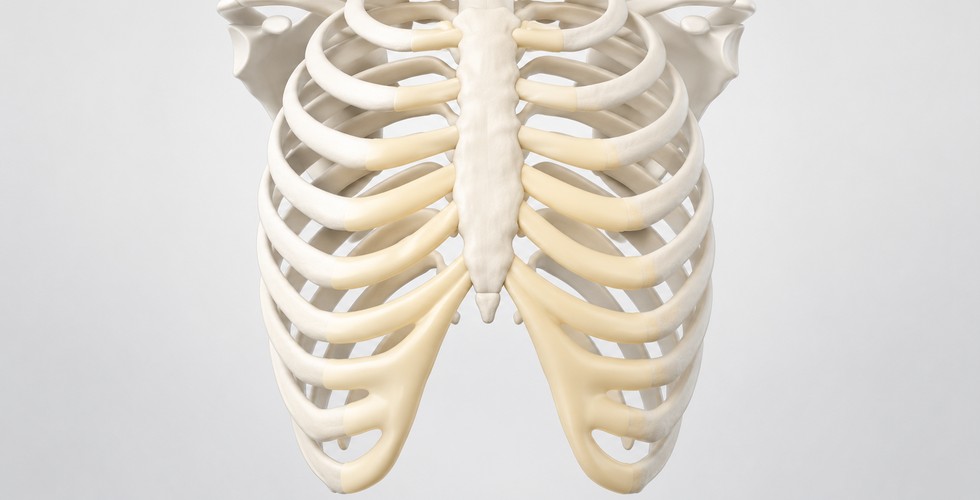
Using the Right Implant Material for Your Nose
We use materials suited to each person's characteristics for safe and effective changes.
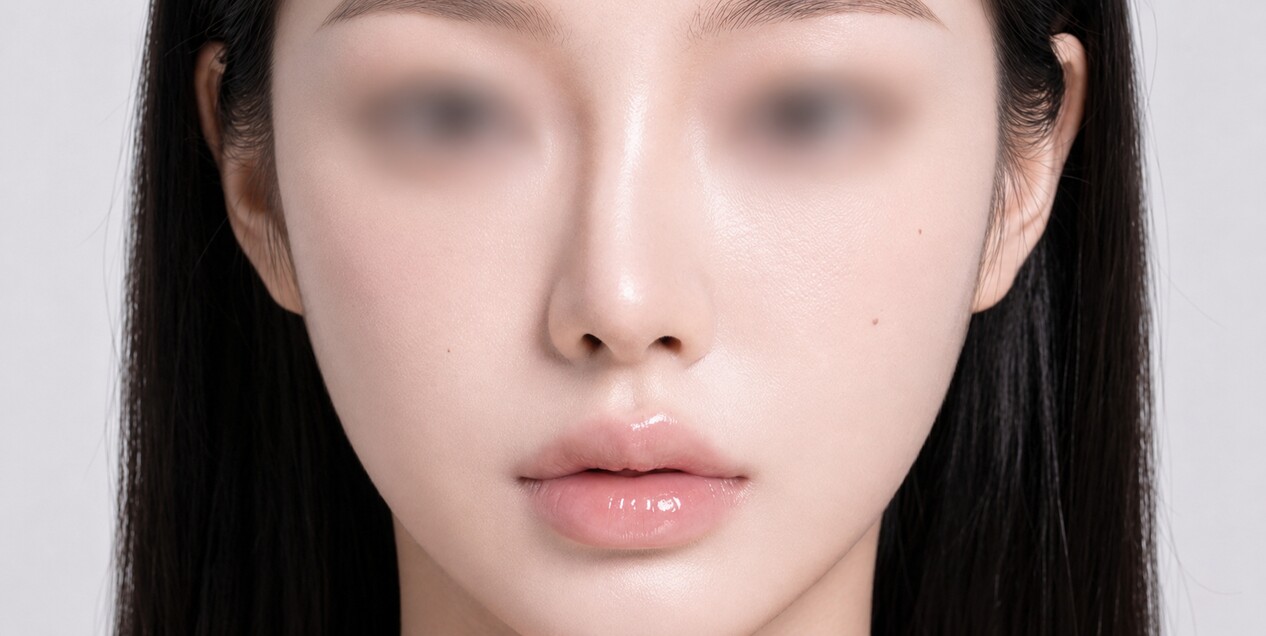
Line Design That Brings Out Facial Harmony
A personalized design that considers overall proportions, including the height, length and angle of the nasal bridge and tip,
creates a natural, distinctive nose line from any angle.



Basic Surgery Information
- Surgery TimeAbout 1–2 hours
- AnesthesiaIV sedation
- HospitalizationRequired
- Suture RemovalAfter 5–7 days
Recommended For
- Those whose nasal bridge is crooked or bent
- Those whose implant moves or is visible
- Those whose nasal tip is inflamed or has hardened
- Those whose nasal tip is upturned or drooping
Revision Rhinoplasty FAQ
-
Light contact may not be a big problem, but early after surgery even a small impact can cause swelling or pain.
If you notice a change in nose shape, bleeding or severe pain after a bump, it is safest to contact the clinic right away. -
In most cases, revision is planned after waiting for swelling and scar tissue from the previous surgery to stabilize.
Generally at least 6 months is recommended, but in emergencies such as inflammation or implant exposure, the timing may vary according to the medical team's judgment.
-
If it is just swelling or a change during recovery, observing progress may be needed. However,
if there are functional or structural problems such as implant visibility, inflammation, contracture, nasal congestion or severe asymmetry, revision can be considered. -
If the existing implant's position and shape are stable and there is no inflammation or visibility, it does not necessarily need to be replaced.
However, if there are problems with height, bending, skin pressure or implant deformation, replacement or removal followed by re-correction may be needed.